

Company Profile
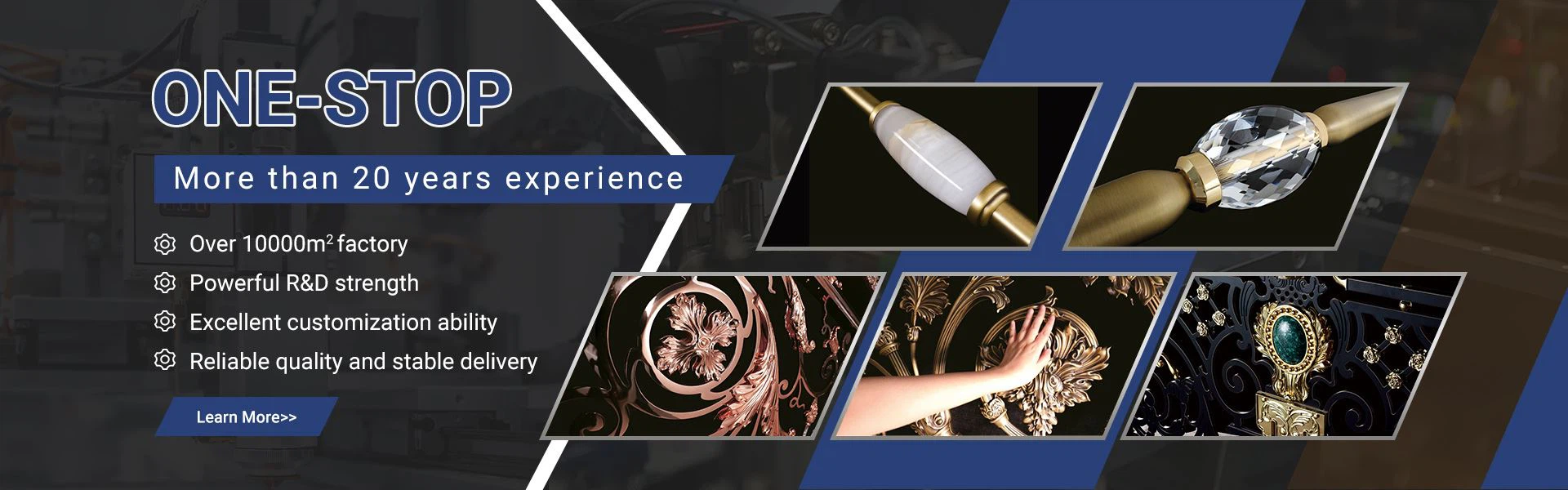
As a powerful building material manufacturer in China, we foshan nanhai ling xiu jia metal products co.,ltd acts as the most important role in the designing, manufacturing and selling on the building materials from stair handrail, to the partition, aluminum outdoor fence, cooper gates and copper furniture, we promise the most expandable products in the industry, and show our perfect combination of science and art.
Why Choose Us
High Quality
With more than 20 years production history, owning Carola, Tiluoke and Meigu 3 main brands for the stair railing products, we keep the leading position on the R&D area for our products, every year we have brand new designs come out which mostly become the hot-sale products in the industry.
Rich Experience
With strictly control on the production processes from designing drafts to manufacturing finished products, we chase the top product quality. And we can provide complete solutions for you to completely satisfy your demands. With convenient use quality, various styles, and high compatibility as well as marketing support, our products are the best choice for distributors or contractors.
Production Market
Our products have popular style and designs for many different countries, there are many hot-sale items and many projects done in middle east countries, middle asia countries, south east asia countries, north america countries. Now already have agents or distributors in country of Russia, Uzbekistan, Vietnam, UAE etc.
Our Service
We will help to analyze the site, suggest right designs, materials and colors etc, with sizes information we can make drawing to show product arrangement and quantities, some customized items can also able to be made with effect photos. Technicians can be sent to the site to do measurements as per needed.

The 20-C003modern vertical stair railing is the design of 2020, made from brass material with modern minimalist style.

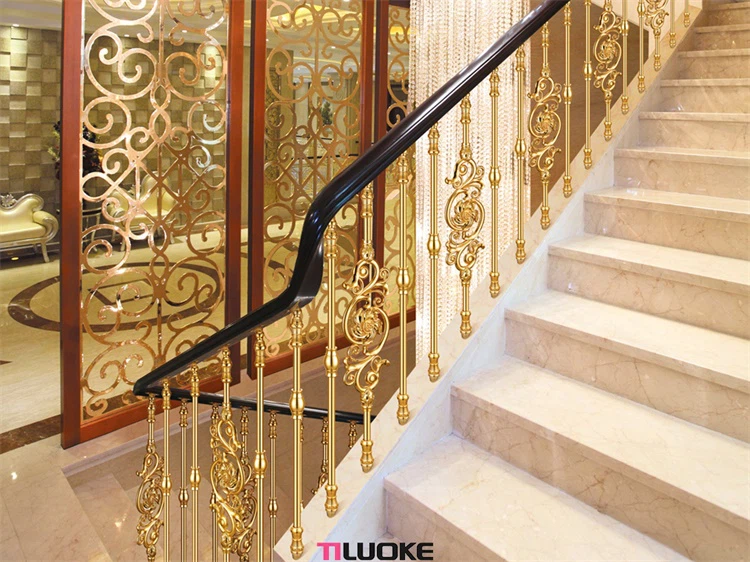
The TLK-A60 verticable deck railing also released in 2014, made from brass material by die casting,one of the most fancy classic european design.

The TLK-A85 metal banister rails is come out in year of 2017, made from brass material with modern light luxury style.

Interior Railings And Banisters
The TLK-A75A interior railings and banisters is also published in 2017, made from brass material with jade stone and rose wood.

The TLK-A75B stair railing and balusters designed and published in 2017, made from brass material with jade stone with beautiful design.
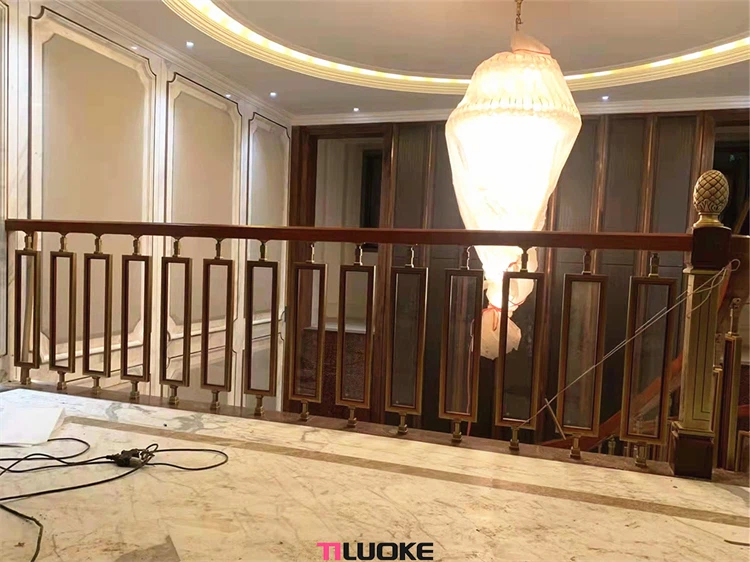
The TLK-A88 internal stair balustrade is come out in year of 2017, made from brass and glass material with modern minimalist style.

The TLK-20-B012 handrail and balusters come out in year of 2020, made from brass material with modern fancy style.

The TLK-20-B015 black stair bannister come out in year of 2020, another fancy model made from brass material.

The TLK-23-B013A metal stair balusters is the new design of 2023, made from brass material with modern minimalist style.
What is Verticable Deck Railing?
The design aesthetics of Verticable Deck Railing offerings run the gamut from subtle to extravagant and every shade in between. But Verticable Deck Railing does more than just add a bit of personal style to an outdoor living space. It is also one of the most essential deck safety features. Safe Verticable Deck Railing protects homeowners and their loved ones from falling off the edge of the deck.
Although choosing a railing material may seem simple, hardware stores carry a wide variety of products that can make it difficult to choose. It is essential to choose a railing material that ensures the comfort and safety of your deck. Consider what features are important to you.
Benefits of Verticable Deck Railing
More finished appearance:
A Verticable Deck Railing, especially composite in your choice of colors to match your deck, looks great. It gives your deck a more finished, upscale look you are sure to love.
Stain-resistant:
Due to the protection offered by our coating, substances like coffee, wine, vegetable oil or soy sauce won't stain the railing. If you make a mess, you can easily wipe it off the surface because the shield will never absorb the liquid. Stain resistance makes UltraShield extremely easy to clean and maintain.
No splitting:
The impermeable layer provided by the shield also means that the boards won't split. UltraShield has a longer life expectancy than uncapped composites.
No mold:
The shield also prevents mildew and mold from eating away at the board. Mold can still grow on the board's surface if there's standing water. You can remove the mold easily using a broom or hose because it's growing on the water, not the board itself.
Fade-resistant:
The shield's unique formulation guarantees that our products will retain their color for longer than conventional composite products. We have conducted many tests on our products and have found that only very minor color changes occur over many years.
Type of Verticable Verticable Deck Railing


Wood Verticable Deck Railings
Wood is a versatile material that can be customized by staining or painting to match your deck or house. Common materials are cedar, redwood, and pressure-treated pine. A benefit to using a wood railing is they're easier to repair or restyle. Wood railings are susceptible to weathering and can be higher maintenance than other materials. It might be harder to find wood due to materials shortage and if you do find some, the price could be higher.
Composite Verticable Deck Railings
Composite railings are made from a mix of wood fibers and plastic, making them resistant to rot and insects. They can be made of a solid material or be hollow. Solid composite railings are sturdier and less likely to bow over time. They also absorb sound better.
Metal Verticable Deck Railings
Metal railings are durable, long-lasting options. However, the maintenance level can be higher depending on what metal you choose so make sure to research your options carefully to find the best fit for your home.
PVC Verticable Deck Railings
PVC can be used as a covering over metal or wood railings. These railings have a smoother finish so they don't have a wood-like texture. They're a durable and affordable option. Typically PVC is a lower maintenance railing type since it's easy to wipe down and not prone to staining or mildew.
Cable Verticable Deck Railings
Cable railings have thin metal cables strung between the posts, which give a modern look. It also gives an unobstructed view of your property.
This can be a more expensive option and there could be local regulations prohibiting it, so check your local ordinances before installation begins. However, it's a lower maintenance option and can handle any weather type.
Material of Verticable Verticable Deck Railing
Steel
Steel railings are a long-lasting and durable option to use on your deck. The biggest drawback is that they can rust.
Consequently, steel railings have a high maintenance level. They'll need to be weather-proofed to keep from rusting or being damaged by the elements.
Aluminum
Using aluminum railings means that you're picking a product that won't rust, is inexpensive to use, and is durable. However, if you use one that is coated be aware that it can scratch easily.A nice feature of aluminum railings is the maintenance level is minimal. They can be easily cleaned using soap and water and are best for avoiding rust and corrosion.
Wrought Iron
An easy way to have a customized railing is to use wrought iron. It can be formed into many different shapes and patterns so you can get the exact look you want for your home. It's also a durable option. However, wrought iron railings also have a high maintenance level. While they can be painted, these railings need frequent touch-ups to keep them looking well-kept. They also rust easily so you'll have to keep up with that, too.
How to Refinish Verticable Deck Railings
Start by checking each post and railing for signs of rot and damage. Lightly tap the joints where the rails and posts meet and where the posts meet the deck, with the painter's tool. If the wood seems soft or the tool sinks in, it may be time to replace the post or railing.
Prep the rest of the deck for staining. Start by taping around any hardware that shouldn't receive stain, such as metal or cable railings or decorative brackets. Wrap painter's tape around the base of each of these pieces of hardware before wrapping them all with plastic sheeting. Lay tape on the decking boards around each post and cover the entire decking surface with drop cloths to prevent drips.
Sand the entire handrail surface from top to bottom. Sand the flat posts with a random orbital sander fitted with 150 grit sandpaper. For post cables and handrails with intricate profiles, use a 100-grit sanding sponge. Sand through the old stain and down to the fresh wood. Be sure to sand with the grain.
Fill any holes or small damaged areas with a wood filler mixed with sanding dust. Use the painter's tool to push the mixture into the holes, allow the mix to dry, and sand it smooth.
Stir the stain and pour it into a paint bucket or cut bucket. Use the 2.5-inch angled paintbrush to apply the stain to the freshly sanded wood. Maintain a wet edge and apply the stain with light pressure, going back and forth.
Allow the stain to soak into the wood for about 20 minutes before wiping off the excess with a rag. Afterward, place the oily rags in a metal paint bucket, fill it with water, place a lid on the can, and ask your local town how to dispose of them.
What are the code requirements for Verticable Deck Railings ?
To establish your Verticable Deck Railing system as safe and fully compliant with building codes, start by making note of the primary factors listed below. As always, it's important to note that specific code requirements can vary regionally. For this reason, we recommend first reviewing your local building codes to ensure your Verticable Deck Railings stay code compliant.

Strength
In keeping with IRC requirements, the Verticable Deck Railing system must be strong enough to withstand uniform loads of 50 pound applied horizontally or vertically to the railing. It must also be able to support concentrated loads of 200 pounds applied to railing panels and posts in any direction. This means Verticable Deck Railing systems are commonly designed to resist a 500-pound concentrated load applied to railing panels and posts, in addition to a 125-pound uniform load applied to the infill of panels. If this information is not readily available while sourcing railing materials, consult with the manufacturer or supplier.

Spacing
In general, according to the International Building Code IBC, manufactured Verticable Deck Railing posts should be spaced no more than 8 feet apart. If Verticable Deck Railing posts are spaced further apart than 8 feet, it becomes exceedingly difficult to meet safety requirements given that they should withstand up to 200 lbs. of pressure from any direction at any single point on the railing panel or post. Similarly, balusters should be installed close enough so that the space between them is less than 4 inches. This is to protect small children or pets from injuries by preventing the ability to fall though wide openings. However, sometimes local building codes will have more stringent regulations, so check your local building department before you begin the deck building process.
Factors that Affect the Height of a Verticable Deck Railing
Building codes and standards
As mentioned earlier, the building code for Verticable Deck Railing and standards play a pivotal role in determining the height of your Verticable Deck Railing.
01
Deck height
The height of your deck from the ground can also influence the height of your railing. Decks that are closer to the ground may require lower railings, while higher decks often require taller railings for safety.
02
User safety
The safety of the individuals using the deck is paramount. If children or elderly individuals frequently use your deck, you might consider installing a higher railing for added safety.
03
View and aesthetics
The height of your railing can significantly impact the view from your deck. A higher railing might provide more privacy but could also obstruct your view. It's all about finding the right balance between safety, functionality, and aesthetics.
04
Material and design of the railing
The material and design of your railing can also affect its height. Some materials might require extra support and, therefore, a higher railing. Similarly, certain designs might look better with a taller or shorter railing.
05
How to Clean Your Verticable Deck Railing and Keep Them Looking New
Wash them with your deck
Whenever you clean your deck, also get the railings. This should happen a couple of times a year with a few spot-cleaning sessions in between. Doing both at the same time makes getting all the corners easier, helps you remember to get the railings, and ensures both deck components look the same – if one has more dirt than the other, you may be able to see the difference.
Start from the bottom up
When you do wash your railings, begin the process near the base and work your way up. This method prevents you from splattering the cleaning solution on a dry area of your railing. Some cleaning solutions can discolor wood decks if splashed on a dry spot. Working bottom up ensures that the areas below are wet, so cleaning solution is less likely to leave marks.
Clean with the right supplies
Verticable Deck Railing come in a variety of materials, including wood, composite, aluminum and vinyl. The panels can also be made of glass. Each material responds best to a certain kind of cleaning solution and routine.
Our Factory
As a powerful building material manufacturer in China, we foshan nanhai ling xiu jia metal products co.,ltd acts as the most important role in the designing, manufacturing and selling on the building materials from stair handrail, to the partition, aluminum outdoor fence, cooper gates and copper furniture, we promise the most expandable products in the industry, and show our perfect combination of science and art.

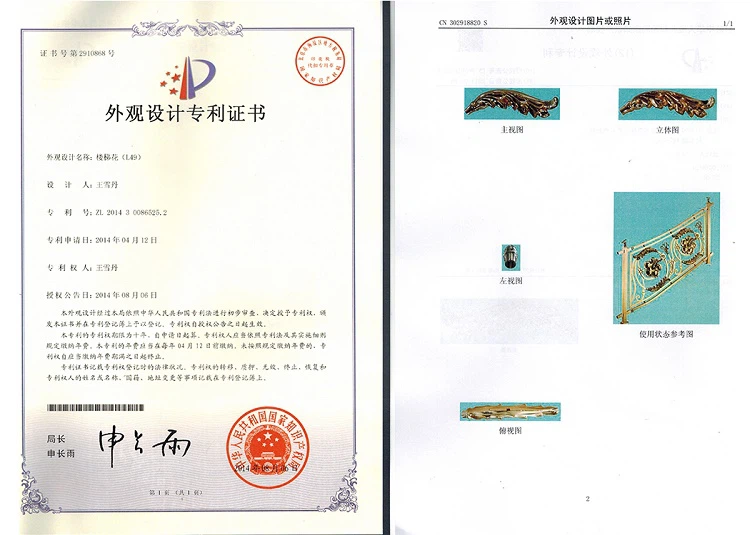
Our Certificate


FAQ
Hot Tags: verticable deck railing, China verticable deck railing manufacturers, suppliers, factory, square black deck balusters, horizontal aluminum railing systems, modernize stair railing, interior modern stair railing, black aluminum square balusters, aluminium hand railing systems


